гр. София, ул. "Пчела" №7/ 7 Pchela str, Sofia
RECEIVE SOMETHING GLAMOROUS
RECEIVE SOMETHING GLAMOROUS
5 Interior Design Ideas for Small Apartments
30/09/2026
The interior design of a small apartment requires precision and clear logic. Limited square footage leaves no room for error; every meter must serve a purpose. Choices regarding layout, lighting, and storage define the level of comfort and the overall sense of space. A well-executed interior design fosters order, a gentle visual rhythm, and ease of movement. By approaching the process in a structured way—or by seeking a consultation with an interior designer—you can make your home more functional and organized.
1. Clear Layout and Fluid Movement
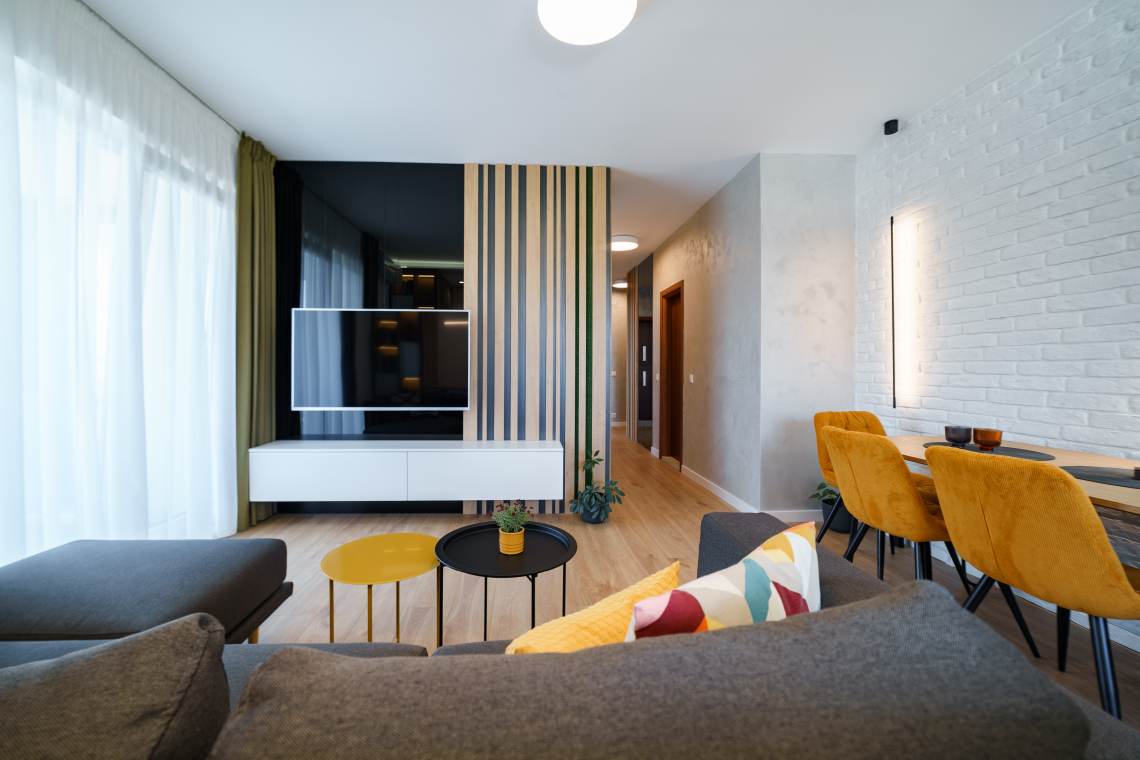
The foundation of a small apartment lies in the organization of its functions. The space should be structured to ensure that movement remains free and intuitive. Arrange zones based on natural light: the living area should be closest to the windows, while the kitchen and workspace should be positioned along the walls to avoid obstructing the main living zone.
Avoid layouts broken up into too many small segments; these fragment the interior and create a sense of clutter. When the entrance and the living area are arranged correctly, the entire home feels more coherent.
2.
Space-Saving Multifunctional Furniture
Dual-purpose furniture is key to the successful design of a small apartment. It reduces the need for additional items and frees up space.
Suitable solutions include:
- sofa beds for guests
- lift-up beds with built-in storage
- foldable dining tables
- beds with integrated drawers
- built-in cabinets that follow the line of the wall
Such furniture helps maintain an organized atmosphere and prevents clutter. When the structures are compact, the interior appears lighter and more cohesive.
3. Light That Defines Space
Light is one of the most powerful tools for visually expanding a small space. Natural light should be allowed to reach as far into the interior as possible; keep windows free from heavy curtains or bulky, opaque fabrics. A combination of three types of lighting works best:
- General lighting for even visibility
- Accent lighting to define specific zones
- Decorative lighting for a relaxed atmosphere in the evening
Light sources should be positioned to avoid creating dark spots.
When lighting is carefully selected, a room appears more spacious and bright.
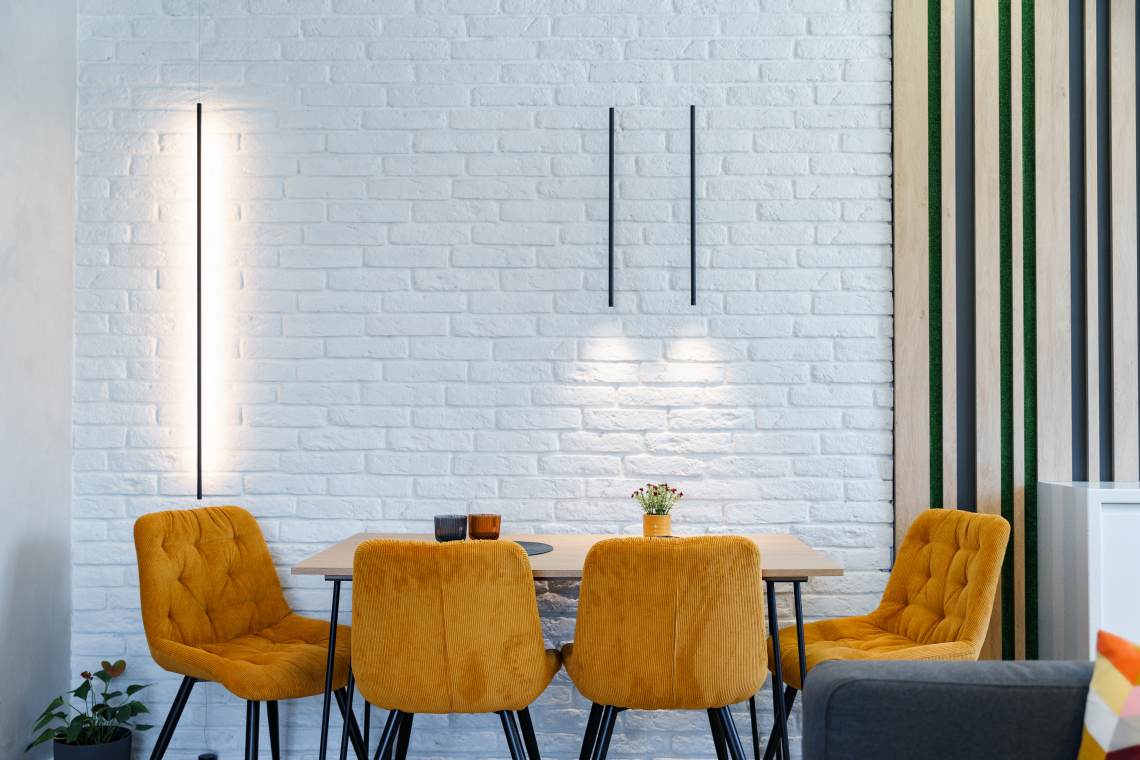
4. Colors and Materials That Create a Sense of Space
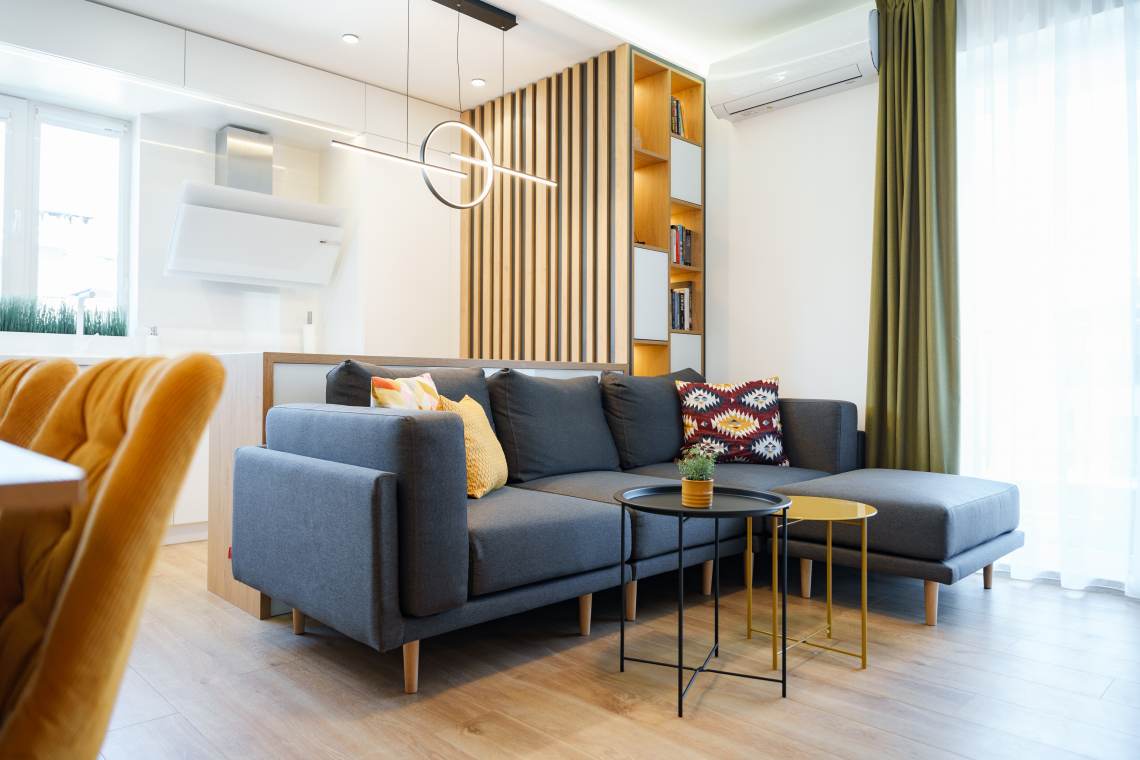
Colors have a direct impact on the perception of volume. Light tones expand visual boundaries, while dark tones are best used as accents. Suitable choices for small apartments include light gray, cream, sand, and wood tones; it is advisable to maintain a consistent color palette throughout the interior. Using three primary tones keeps the space organized and prevents it from feeling cluttered. A limited number of accents—such as green or blue—add character without making the room feel cramped. Materials also play a key role: matte surfaces, wood, and textiles with clean textures help maintain a calm aesthetic. Glossy surfaces reflect light—which is helpful in darker areas—but should be used in moderation.
5. Storage That Doesn’t Disrupt the Visual Flow
Storage solutions determine whether a small apartment remains tidy. Built-in cabinets are the best choice; they maximize available space without obstructing movement. Floor-to-ceiling solutions are the most effective, as they take full advantage of the room's height. Practical ideas:
- built-in cabinets in the hallway
- shelves above a desk or workspace
- low-profile units under windows
- concealed cabinets within wall niches
Sliding or folding (accordion-style) doors save space and ensure smooth movement. When storage is clearly organized, a home looks tidy—even within a small footprint.
Additional Tips
Visual lightness is key. Simple forms maintain a clean, calm aesthetic, whereas heavy curtains, bulky furniture, excessive decorative elements, and clashing textures can make a space feel cramped. Lightweight fabrics and a cohesive color palette help maintain visual balance. If you wish, you can consult with a designer—this is particularly helpful if your home has a complex layout or if you are looking for a professional apartment interior design. This helps you avoid mistakes and results in a structure that works well in the long term.
Conclusion
Interior design for small apartments requires clear solutions, a coherent logic, and well-planned lighting. Multifunctional furniture, an appropriate color scheme, and well-organized storage create a comfortable environment. The team at RSG Architects works with precision, crafting solutions that maintain clean lines and practical functionality.
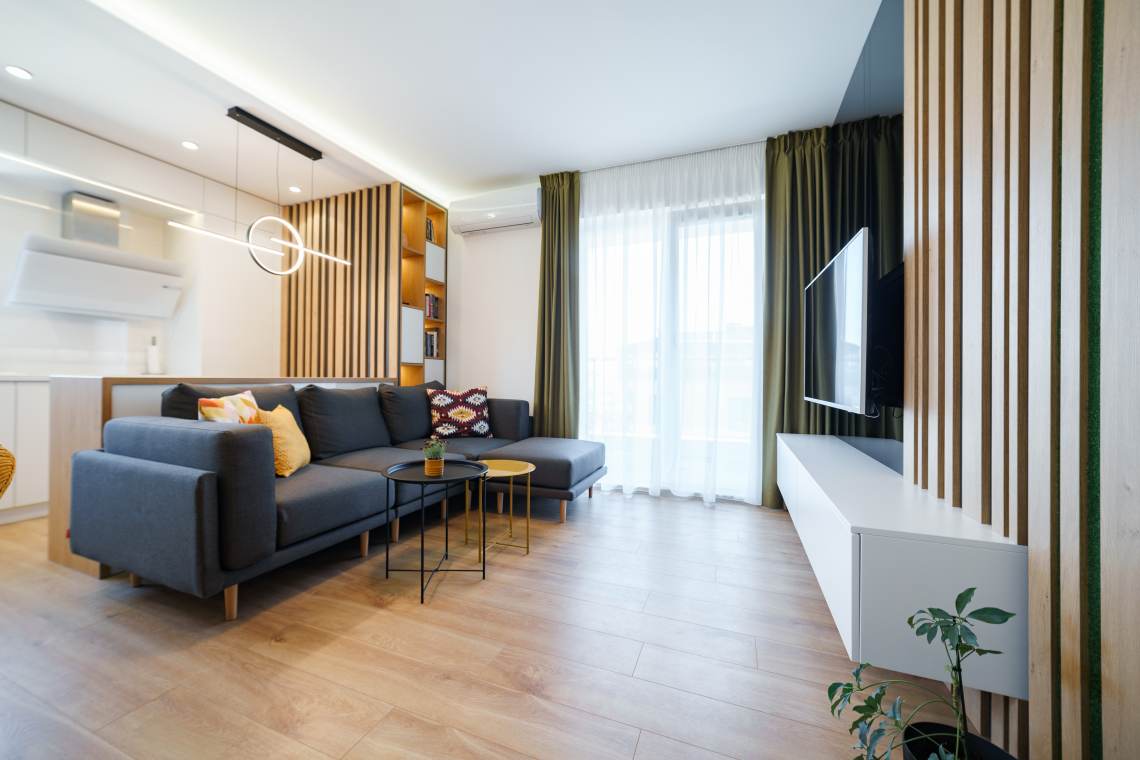
View the full project here: https://rsgarch.com/projects/colorful-spaces